tongda-logo

How to Make Chicken Manure Fertilizer

Fermenting chicken manure into organic fertilizer efficiently repurposes agricultural waste and supports sustainable soil nutrition.

Table of Contents

Apply Our Best Quotation

How to Use Chicken Manure as Fertilizer

How-to-Use-Chicken-Manure-as-Fertilizer
Chicken manure is a high-quality and cost-effective organic fertilizer, offering excellent performance at a low price. It contains approximately 1.63% nitrogen, 1.54% phosphorus (P₂O₅), and 0.85% potassium (K₂O). Rich in organic matter and essential nutrients, it improves soil structure, enhances physical and chemical properties, increases fertility, and supports plant growth and development.

Fermentation is essential before application.

Direct application of unfermented chicken manure:

  1. Root and seedling burn: Causes plant damage and death due to heat and organic acids.
  2. Soil salinization: High salt content in chicken manure inhibits nutrient absorption.
  3. Soil acidification: The manure’s acidity worsens soil conditions and increases root diseases.
  4. Pest infestations: Contains root-knot nematodes and other pests harmful to crops.

Chapter 1

Principles of Chicken Manure Composting

Principles-of-Chicken-Manure-Composting

Chicken manure composting utilizes microbial activity to break down organic matter into humic acid, ammonia, carbon dioxide, and other substances. During this process, microbes require ample oxygen and moisture for respiration, which generates significant heat and organic acids. These conditions help eliminate pathogens and parasite eggs in the manure and promote its maturation.

Benefits of Composting Chicken Manure into Organic Fertilizer

  1. Odor-Free and Safe for Plants: Well-composted chicken manure has no unpleasant odor and does not burn plant roots or seedlings, making it safer for application and irrigation.

  2. Pathogen and Pest Elimination: Using microbial inoculants for composting rapidly raises the temperature to over 60°C, consuming large amounts of oxygen and effectively killing pathogens and parasite eggs.

  3. Reduced Residues: Microbial inoculants help decompose various substances in chicken manure, significantly lowering levels of antibiotics, heavy metals, and other contaminants, thus reducing soil residue.

Chapter 2

Preparation for Chicken Manure Composting

Fertilizer-Plant-Site-Selection
  • Choose a Composting Location: Select a site that is easily accessible, elevated, dry, and well-ventilated, ideally away from water sources. This facilitates transportation and operational management.

  • Collect Chicken Manure: Transport chicken manure from poultry farms to the composting site, or collect it within the farm. Ensure the manure is free from excessive contaminants such as hair and plastic.

  • Prepare Composting Agents: Use composting agents, which are microbial inoculants that accelerate organic matter decomposition. These can be purchased or homemade, and common agents include EM (Effective Microorganisms) and microbial fertilizers.

Chapter 3

Chicken Manure Fermentation Process

Add Carbon Sources

Carbon sources are essential in chicken manure composting, balancing nitrogen levels and providing energy for microbes. Common carbon sources include straw, wood chips, and hay, which aid in aeration and moisture retention. Prior to composting, mix these carbon sources thoroughly with the chicken manure to ensure a balanced carbon-to-nitrogen ratio, which supports microbial growth and accelerates the composting process.

Adjust Moisture Content

The moisture level for chicken manure composting should be maintained between 50%-60%. This can be assessed by observing the surface moisture and using your hands to gauge the consistency. If moisture is too low, add water as needed; if too high, increase ventilation or add dry carbon sources to absorb excess moisture. Proper ventilation helps regulate moisture and prevent mold growth.

Additionally, maintain a composting temperature between 25°C and 35°C. Ensure good sealing to prevent oxygen entry and contamination by unwanted microbes, which ensures effective composting.

Add Composting Microbes

Composting microbes are a powerful tool that accelerates the decomposition and fermentation process. These inoculants, available at agricultural supply stores, come with guidelines for proper usage. They contain beneficial microorganisms that help break down organic matter and convert it into organic fertilizer.

Chicken Manure Turning

Regularly turning the compost pile is crucial for ensuring even fermentation and oxygen supply. Research indicates that turning the pile can reduce composting time by 20%-30% and improve overall decomposition efficiency. The compost pile height should be maintained between 1.5 meters and 2 meters to sustain optimal temperature and moisture levels. If the pile is too high, it can lead to oxygen deficiency in the center, reducing microbial activity, while a pile that’s too low may not reach ideal fermentation temperatures.

To streamline this process, consider using our Compost Turner. This equipment facilitates turning the pile every 7-10 days, moving the manure from the bottom to the top and placing the top organic matter at the bottom. This practice increases the surface area available for microbial decomposition by over 20%, enhances oxygen penetration throughout the pile, and improves compost quality.

Chicken Manure Fermentation Process

  • Fermentation Duration: Typically lasts 7-14 days.

  • Temperature Monitoring:

    • Ideal temperature should be maintained between 50°C and 65°C to enhance microbial activity.
  • Moisture Control:

    • Moisture levels should be kept between 50%-60% to prevent overly dry or wet conditions.
  • Turning and Aeration:

    • Adjust the frequency of turning the pile based on temperature changes and compost condition, usually every 3-5 days.
    • Turning helps oxygen penetrate, evenly distributes heat, prevents localized overheating or oxygen deficiency, and ensures uniformity and stability of the compost.
  • Signs of Late-Stage Fermentation

    • Temperature: No longer rising and below 45°C.
    • Color: Deep brown or black.
    • Odor: No ammonia smell; a fresh, earthy scent.
    • Texture: Loose, fine, and possibly with white fungal mycelium.
    • Consistency: Ready if deep brown, loose, and earthy. Needs more time if still green, yellow, or has an ammonia smell, or if too wet or dry.

Chapter 4

Making Chicken Manure Fertilizer Granules

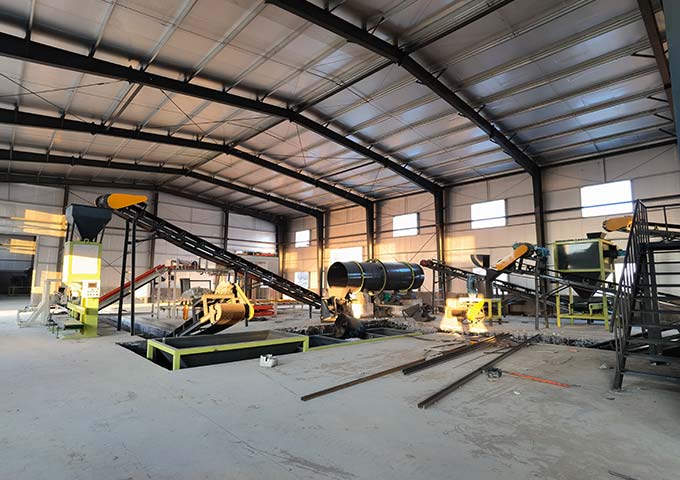
After fermentation, chicken manure can be processed into sellable granulated or powdered fertilizer using a organic fertilizer production line. This process not only enhances the commercial value of the manure but also significantly boosts efficiency. Utilizing advanced machinery in the production line ensures consistent quality and a higher output, making it a valuable investment for optimizing fertilizer production and meeting market demands.

Chicken Manure Screening and Crushing

The fermented chicken manure needs to undergo screening and crushing to remove impurities and large particles. This process results in finer and more uniform granules. Use a fertilizer screener and a fertilizer crusher to achieve the desired quality standards for the manure granules.

Chicken Manure Mixing and Blending

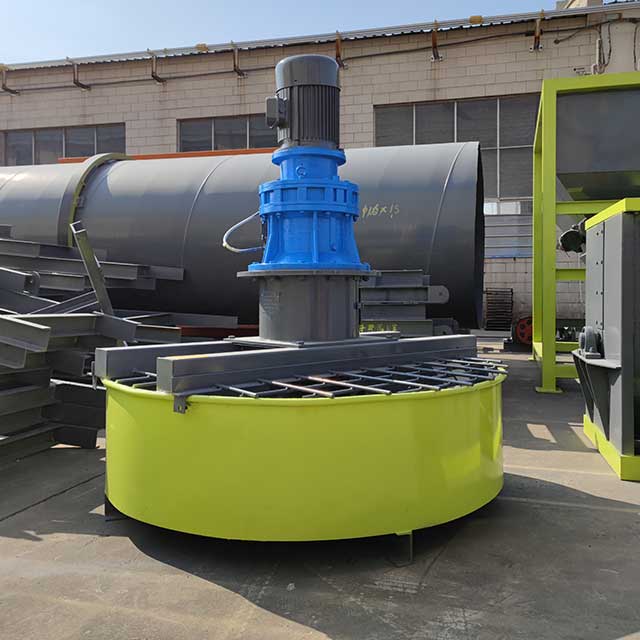
After screening and crushing, the chicken manure should be mixed and blended with other organic fertilizer materials, such as composted cow dung, pig manure, and sheep manure. A fertilizer mixer helps ensure thorough blending, enhancing the nutrient content and effectiveness of the fertilizer. You can also add trace elements and bioactive substances, such as boron, zinc, and molybdenum, based on crop requirements.

Granulation

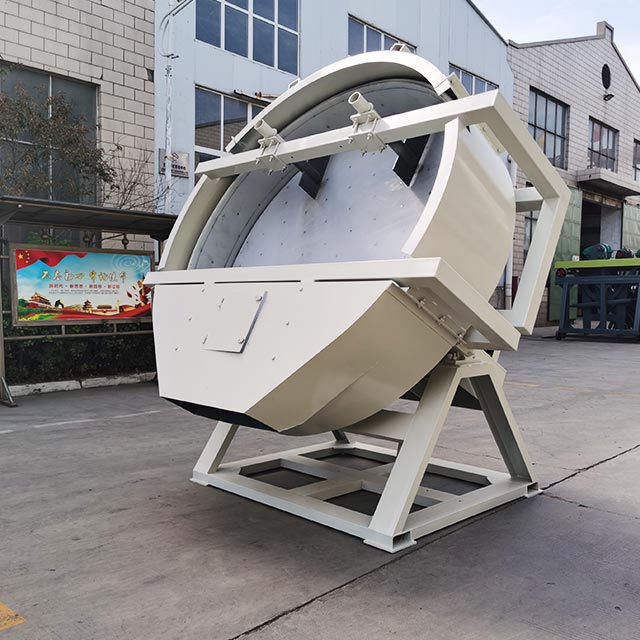
The mixed chicken manure fertilizer needs to be processed through a fertilizer granulator to form granules. Granulation improves the fertilizer’s efficacy and facilitates its transportation and storage.

Packaging

After granulation, the chicken manure fertilizer should be packaged using a fertilizer packaging machine. Proper packaging ensures the fertilizer is ready for sale and use, maintaining its quality and effectiveness.

Chapter 5

Chicken Manure Fermentation Tips

Choose inoculants based on local conditions. Maintain proper moisture and ventilation, turn the pile regularly, and monitor temperature to ensure effective fermentation.

Dry, crush, and store the fertilizer in a cool, dry place. Prevent contamination and adjust inoculant use as needed. Control application rates to avoid negative effects on soil and crops.

Explore Other Solutions for Organic Fertilizer Business

fertilizer-machine-custom

Design

Chicken Fertilizer Production Line

Interested in setting up an chicken organic fertilizer production plant?
We leverage our industry expertise and network
to identify ideal solutions that meet your requirements.

1
Project Design
2
Equipment Supply
3
Installation and debugging
4
Staff Training
5
Operational Guidance
6
After-sale Service

Fertilizer Machinery News

Reliable Equipment Performance

Ensuring consistent and efficient fertilizer production for maximum yield.

Timely Maintenance & Repairs

Minimizing downtime with prompt servicing to keep operations running smoothly.

Expert Technical Support

Access to assistance for troubleshooting and optimizing equipment performance.

Give us a call or
Simply Complete the Form