tongda-logo

Organic Fertilizer Plant Cost

An organic fertilizer plant is an industrial facility dedicated to the production of organic fertilizers. Its main function is to convert organic waste (such as animal manure, agricultural residues, kitchen waste, etc.) into organic fertilizers that can be used in agricultural production through a series of processes and equipment.

Apply Our Best Quotation

Factors Influencing Organic Fertilizer Plant Costs

The cost of setting up and operating an organic fertilizer plant can be influenced by a variety of factors.

Organic-Fertilizer-Plant-Cost

Includes the cost of building the plant infrastructure such as warehouses, processing units, and storage facilities.

  • Organic Waste: Cost of sourcing organic raw materials (manure, crop residues, food waste).
  • Transportation: Costs associated with transporting raw materials to the plant.

Includes the cost of purchasing, installing, and maintaining equipment for composting, fermenting, granulating, mixing, drying, cooling, and packaging.

  • Skilled and Unskilled Labor: The cost of hiring skilled technicians, engineers, and unskilled laborers.
  • Training and Development: Ongoing costs associated with training employees to operate machinery and manage processes efficiently.
  • Electricity and Water: Costs for running machinery and maintaining the facility.
  • Fuel: For transportation and machinery that might run on fossil fuels or biofuels.

Chapter 1

Organic Fertilizer Plant Machine cost

compost-turner

Composting Equipment

Composting equipment is essential for converting organic waste into nutrient-rich compost, which can be used as a key ingredient in organic fertilizers.
Cost: $2,000 - $10,000
Fermentation-Equipment

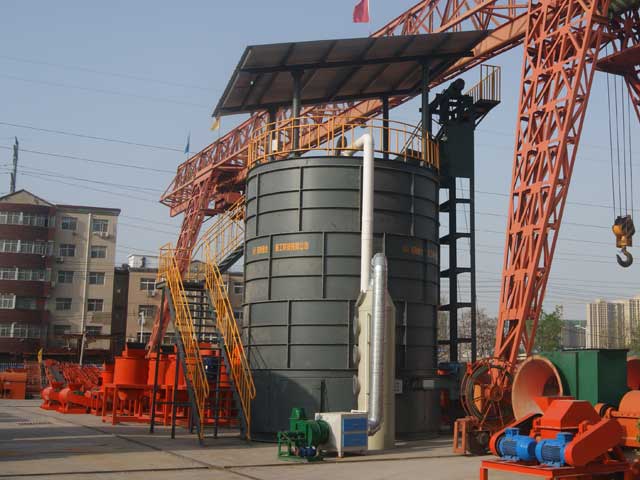
Fermentation Equipment

Fermentation equipment is crucial for the controlled decomposition of organic materials in the production of organic fertilizers. This equipment creates optimal conditions for microbial activity, speeding up the breakdown of organic matter and improving the quality of the final product.
Cost: $3,000 - $10,000
Vertical-Fertilizer-Crusher

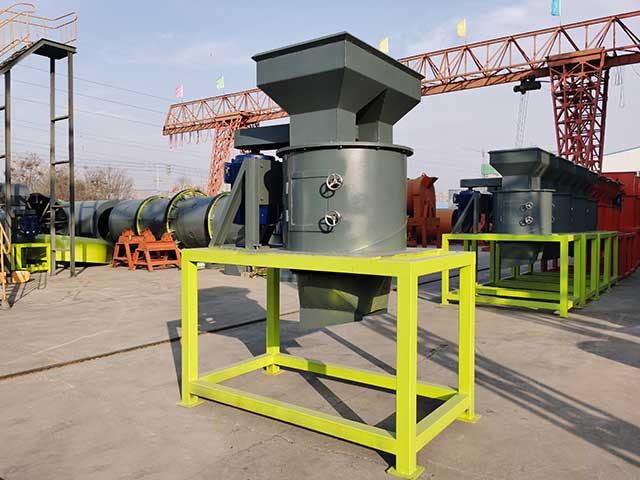
Crushing Equipment

Crushing equipment is used in the production of organic fertilizers to break down raw materials into smaller, uniform particles. This process is essential for enhancing the efficiency of subsequent processing steps, such as mixing, granulating, and composting, by ensuring a consistent particle size.
Cost: $1,000 - $8,000

Double-Shafts-Horizontal-Mixer

Mixing Equipment

Mixing equipment is vital in the production of organic fertilizers to ensure the homogeneous blending of various raw materials. This process is crucial for creating a consistent and high-quality final product, which improves nutrient distribution and overall effectiveness.
Cost: $1,500 - $20,000

Structure of organic fertilizer granulator

Granulation Equipment

Granulation equipment is essential in the production of organic fertilizers for forming raw materials into granules, which makes them easier to handle, apply, and store. This process enhances the physical properties of the fertilizer, improving its effectiveness and uniformity.
Cost: $500 - $50,000

fertilizer-screening-machine

Screening Equipment

Screening equipment is essential in the production of organic fertilizer to separate fine particles from larger ones, ensuring a uniform and high-quality final product. This equipment helps in removing impurities and achieving the desired particle size for optimal application and efficiency.
Cost: $800 - $3,000
fertilizer-dryer

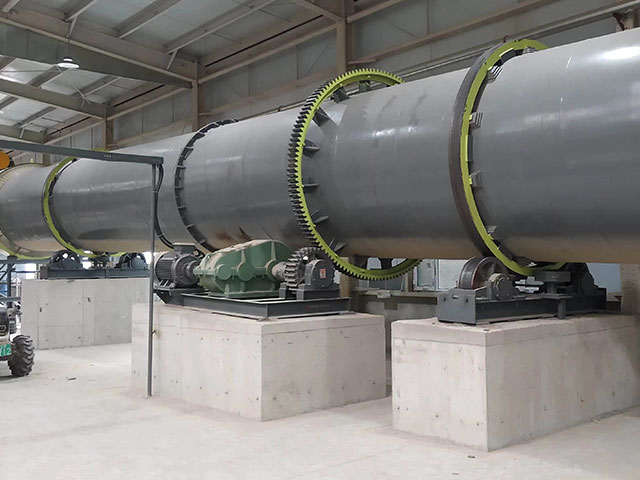
Drying Equipment

Drying equipment is crucial in the production of organic fertilizers to reduce moisture content, which ensures the stability and shelf life of the final product. This process also prevents caking and enhances the ease of handling and application.
Cost: $8,000 - $80,000
fertilizer-cooler

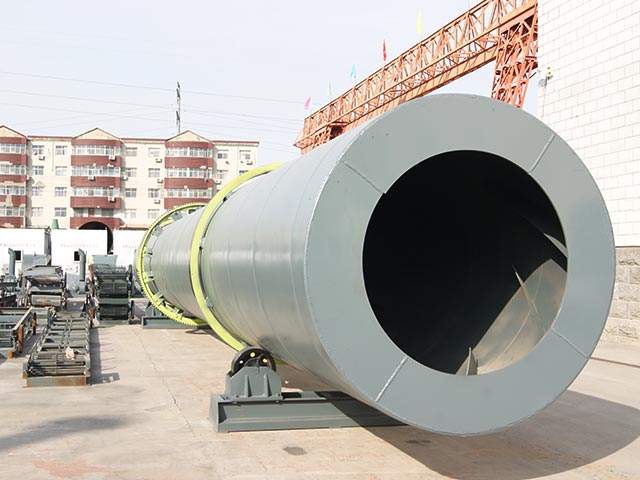
Cooling Equipment

Cooling equipment is essential in the production of organic fertilizers to reduce the temperature of the granulated or dried material after processing. This cooling process helps to stabilize the product and prevent moisture absorption, ensuring its quality during storage and transportation.
Cost: $8,000 - $80,000

Fertilizer-Packaging-Machine

Packaging Machines

Packaging equipment is crucial in the final stage of organic fertilizer production, ensuring efficient and accurate packaging of the finished product. This equipment facilitates the sealing and labeling of bags or containers, preparing them for distribution and sale.
Cost: $4,000 - $8,000

Chapter 2

Prices of Different Types of Organic Fertilizer Plants

Small Organic Fertilizer Plant Cost

Granular-Fertilizer-Plants-Cost
  • Production Capacity: 0.5-2 Tons/Hour

  • Cost: $50000 – $60000

  • Raw Materials: Animal Manure, Agricultural Waste, Industrial Waste, Household Waste

  • Equipment:
    • Compost Turner: Smaller capacity
    • Crusher: Basic crushing unit
    • Mixer: Small-scale mixer
    • Granulator: Compact granulator
    • Dryer: Small rotary dryer
    • Screening Machine: Simple sieving equipment
    • Packaging Machine: Basic packaging unit
  • Production Capacity: 2-5 Tons/Hour

  • Cost:  $80,000 – $1200,000

  • Raw Materials: Animal Manure, Agricultural Waste, Industrial Waste, Household Waste

  • Equipment:

    • Compost Turner: Larger, more efficient turner
    • Crusher: Advanced crushing system
    • Mixer: Medium-scale, continuous mixer
    • Granulator: High-capacity granulator
    • Dryer: Larger rotary or fluid bed dryer
    • Screening Machine: More sophisticated screening system
    • Packaging Machine: Automated, higher-capacity unit

Organic Fertilizer Plant Cost

Organic-Fertilizer-Production-Plant-Cost

Price of a Large Organic Fertilizer Production Line

Organic-Fertilizer-Production-Plant-Cost
  • Production Capacity: 5-30 Tons/Hour

  • Cost:  $120,000 – $3000,000

  • Raw Materials: Animal Manure, Agricultural Waste, Industrial Waste, Household Waste

  • Equipment:

    • Fermentation Equipment: Large-capacity fermentation tanks
    • Crusher: Efficient crushing systems
    • Mixer: Large, continuous mixers
    • Granulator: High-capacity and customized granulators
    • Dryer: Large rotary dryers or fluidized bed dryers
    • Screening Machine: Advanced screening systems
    • Packaging Machine: Automated, high-capacity packaging units

Chapter 3

Raw Material Cost of Organic Fertilizer Production Plant

The raw material costs for setting up an organic fertilizer production plant can vary widely based on several factors such as the scale of the plant, the specific type of organic fertilizer being produced, the region or country where it's located (which affects raw material availability and costs), and the technology used.

  • Organic Raw Materials:

    • Animal Manure: Cost varies based on availability and transportation costs.
    • Crop Residues: Can be relatively low-cost or even free if sourced locally.
    • Green Waste: Cost varies but can often be sourced locally.
    • Food Waste: Cost depends on collection and processing.
  • Microbial Inoculants:

    • Biochar: Cost varies based on production method and quality.
    • Compost: Can be produced on-site, reducing costs.
  • Additional Ingredients (Optional):

    • Seaweed Extracts: Higher cost compared to terrestrial plants.
    • Rock Phosphate: Price varies based on purity and source.
  • Packaging Materials:

    • Bags, containers, labeling materials, etc., add to the overall cost.
Chicken-manure-fertilizer-production-line
Cow-dung-fertilizer-production-line

Chapter 4

Cost-Saving Strategies for Organic Fertilizer Plants

Optimize Raw Material Procurement

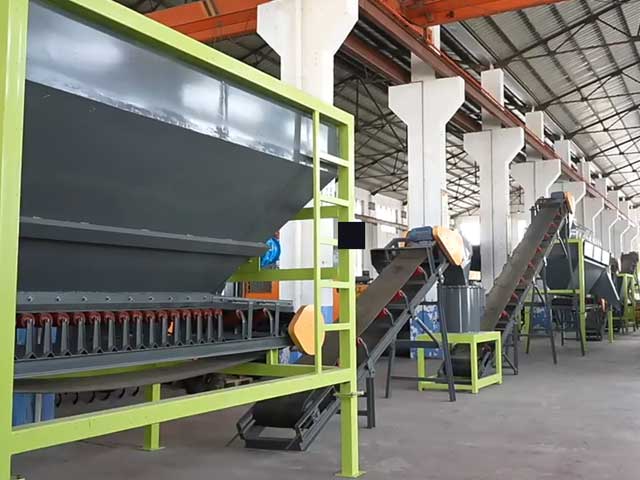
Choose local suppliers to reduce transportation costs. Implement strategic procurement practices such as long-term partnerships or bulk purchasing.
Optimize Production Processes

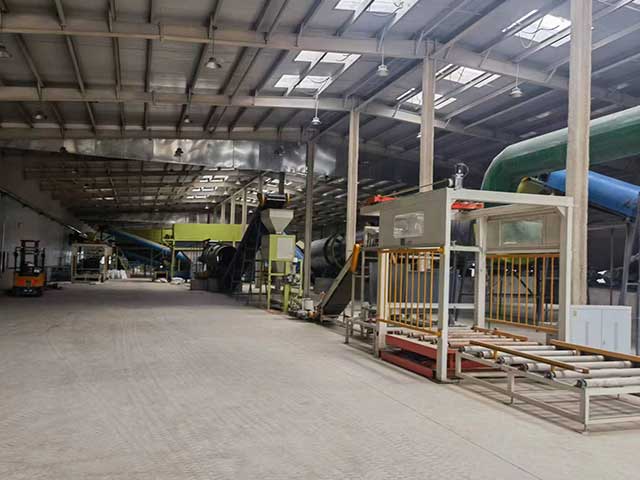
Invest in energy-efficient equipment and technologies. Streamline production processes to minimize downtime and resource waste.
Fertilizer-Manufacturing-Plant-Cost

Human Resources Management

Flexibly deploy workforce according to production demands. Provide training to enhance employee skills and productivity.

Chapter 5

Fertilizer-Plant-Machine-cost

Client Information

  • Company Name: EcoGrow Solutions
  • Industry: Sustainable Agriculture
  • Location: Australia

Project Overview

EcoGrow Solutions initiated a groundbreaking project to construct an advanced organic fertilizer production facility in Australia. This initiative aligns with their mission to promote sustainable farming practices. The facility processes a unique blend of natural ingredients and cutting-edge technology to create high-quality organic fertilizers. With a production capacity of 10,000 tons per year, the plant is set to revolutionize the organic farming industry in the region.

Processed Materials

  • Organic Waste: Compost, manure, and plant residues.
  • Bio-Stimulants: Seaweed extracts, beneficial microorganisms.
  • Feed Size: 5-15 mm
  • Finished Product Specifications: Granule size of 2-4 mm

Equipment Details

  • Advanced Mixing System

  • Granulation Technology

  • Drying and Cooling Solutions

  • Screening and Quality Assurance

  • Eco-Friendly Packaging

  • Sustainability Initiatives

Other Types of Fertilizer Plant Cost

fertilizer-machine-custom

Design

Organic Fertilizer Plant Cost

Fertilizer Production Plant Quotation

Interested in setting up an organic fertilizer production plant?
We leverage our industry expertise and network
to identify ideal solutions that meet your requirements.

1
Project Design
2
Equipment Supply
3
Installation and debugging
4
Staff Training
5
Operational Guidance
6
After-sale Service
Reliable Equipment Performance

Ensuring consistent and efficient fertilizer production for maximum yield.

Timely Maintenance & Repairs

Minimizing downtime with prompt servicing to keep operations running smoothly.

Expert Technical Support

Access to assistance for troubleshooting and optimizing equipment performance.

Give us a call or
Simply Complete the Form