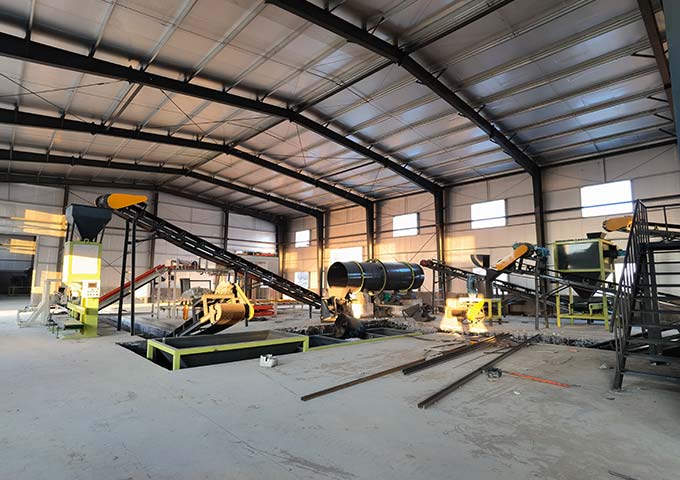
Composting equipment is essential for converting organic waste into nutrient-rich compost, which can be used as a key ingredient in organic fertilizers.
Cost: $2,000 - $10,000
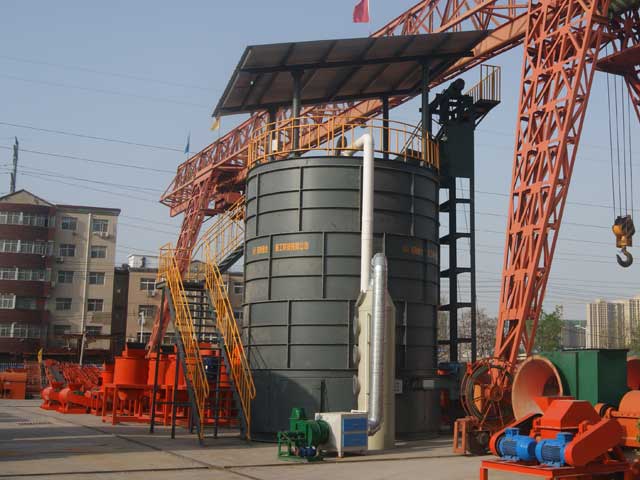
Fermentation equipment is crucial for the controlled decomposition of organic materials in the production of organic fertilizers. This equipment creates optimal conditions for microbial activity, speeding up the breakdown of organic matter and improving the quality of the final product.
Cost: $3,000 - $10,000
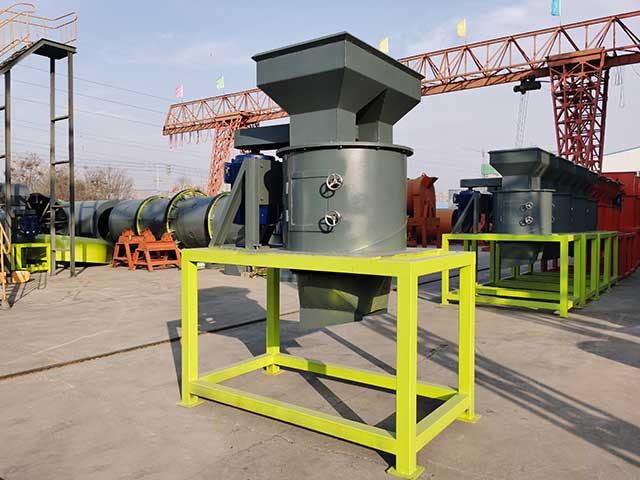
Crushing equipment is used in the production of organic fertilizers to break down raw materials into smaller, uniform particles. This process is essential for enhancing the efficiency of subsequent processing steps, such as mixing, granulating, and composting, by ensuring a consistent particle size.
Cost: $1,000 - $8,000

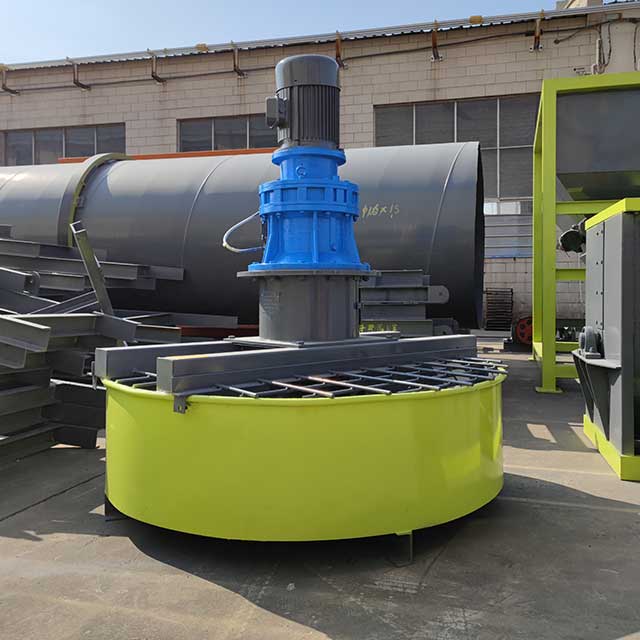
Mixing equipment is vital in the production of organic fertilizers to ensure the homogeneous blending of various raw materials. This process is crucial for creating a consistent and high-quality final product, which improves nutrient distribution and overall effectiveness.
Cost: $1,500 - $20,000

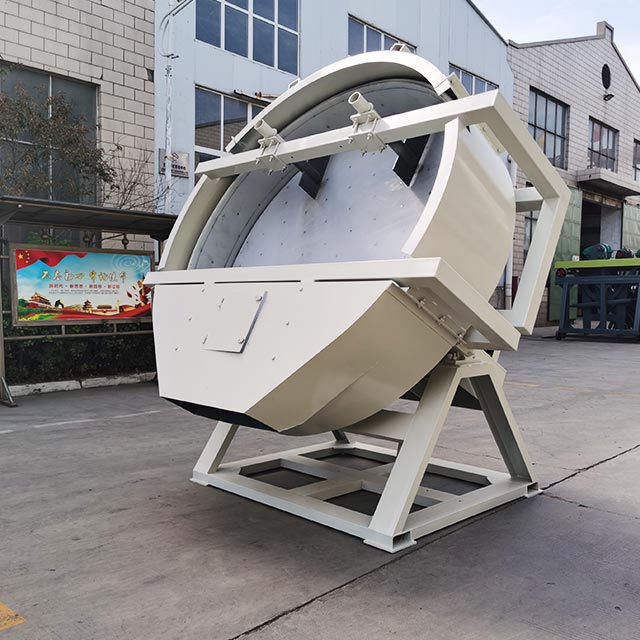
Granulation equipment is essential in the production of organic fertilizers for forming raw materials into granules, which makes them easier to handle, apply, and store. This process enhances the physical properties of the fertilizer, improving its effectiveness and uniformity.
Cost: $500 - $50,000

Screening equipment is essential in the production of organic fertilizer to separate fine particles from larger ones, ensuring a uniform and high-quality final product. This equipment helps in removing impurities and achieving the desired particle size for optimal application and efficiency.
Cost: $800 - $3,000
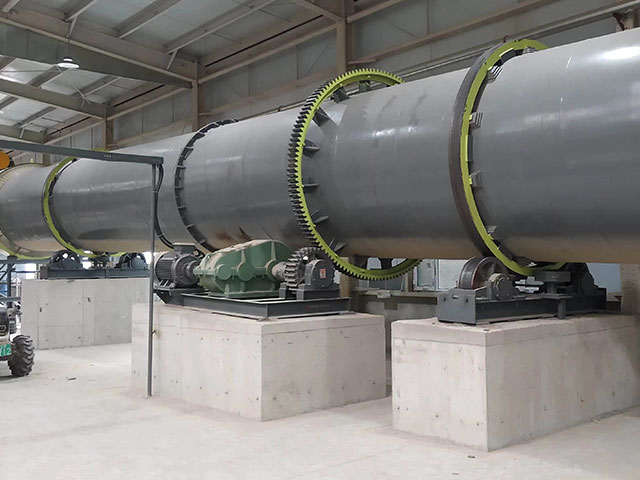
Drying equipment is crucial in the production of organic fertilizers to reduce moisture content, which ensures the stability and shelf life of the final product. This process also prevents caking and enhances the ease of handling and application.
Cost: $8,000 - $80,000
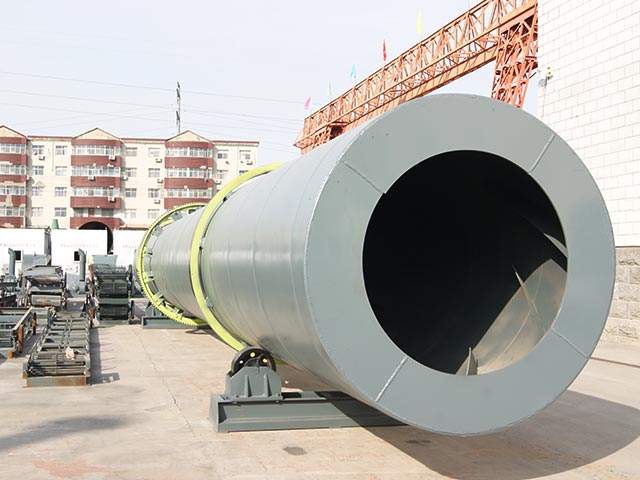
Cooling equipment is essential in the production of organic fertilizers to reduce the temperature of the granulated or dried material after processing. This cooling process helps to stabilize the product and prevent moisture absorption, ensuring its quality during storage and transportation.
Cost: $8,000 - $80,000

Packaging equipment is crucial in the final stage of organic fertilizer production, ensuring efficient and accurate packaging of the finished product. This equipment facilitates the sealing and labeling of bags or containers, preparing them for distribution and sale.
Cost: $4,000 - $8,000


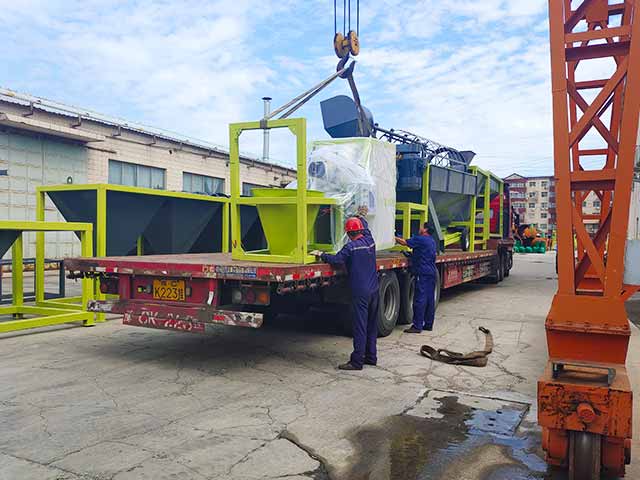
Choose local suppliers to reduce transportation costs. Implement strategic procurement practices such as long-term partnerships or bulk purchasing.
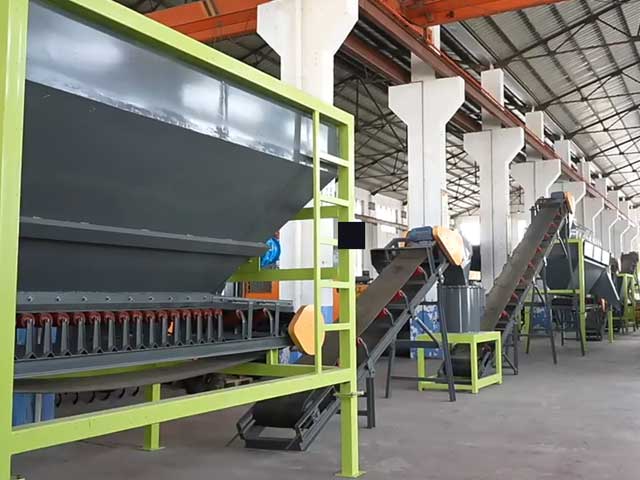
Invest in energy-efficient equipment and technologies. Streamline production processes to minimize downtime and resource waste.
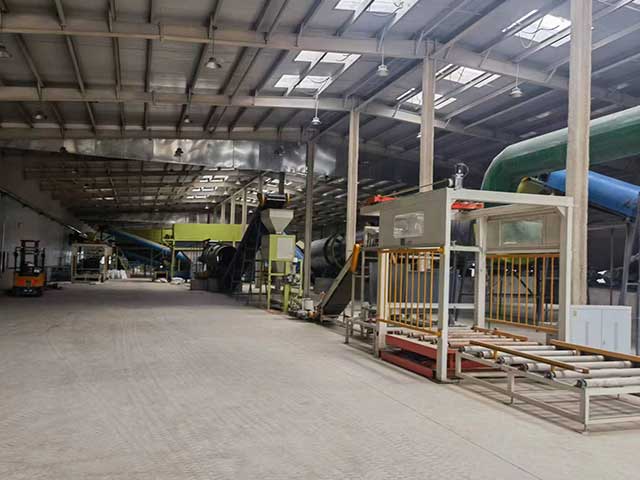
Flexibly deploy workforce according to production demands. Provide training to enhance employee skills and productivity.