
tongda-logo

Organic Fertilizer Business Plan

Starting a fertilizer plant is a promising business opportunity. With thorough market research, selecting the right location and equipment, and building a strong sales network, you can successfully launch a profitable fertilizer business.

Table of Contents

Apply Our Best Quotation

How to Set Up Organic Fertilizer Plant

organic-fertilizer-business-plan

Creating an organic fertilizer plant is a process involving multiple links and steps. Starting a fertilizer plant requires market research, developing a project plan, selecting a suitable site and equipment, and establishing a production and operation system. The following is a detailed process from project preparation to formal operation:

Chapter 1

Market Research and Project Planning

Fertilizer-Market-Research

Fertilizer Market Research

  • Analyze market demand: Understand market size, consumer preferences, and target segments.
  • Conduct competitor analysis: Assess strengths, weaknesses, pricing strategies, and distribution channels of competitors.
  • Identify raw material sources: Locate reliable suppliers for livestock manure, crop straw, and other organic waste.
  • Evaluate supply chain: Consider availability, quality, seasonal fluctuations, and transportation costs.
  • Establish supplier relationships: Negotiate pricing and secure long-term partnerships for consistent supply.

Develop a Project Plan

  • According to the market research results, formulate a detailed project plan, including investment budget, production scale, product positioning, sales strategy, etc.
  • Determine the feasibility of the project, including technical feasibility, economic feasibility, environmental feasibility, etc.

Chapter 2

Fertilizer Plant Site Selection

Fertilizer-Plant-Site-Selection
  • Proximity to raw materials: Locate near sources like livestock farms to reduce transportation costs.
  • Optimal site conditions: Choose a location with high, flat terrain and good drainage to protect materials during the rainy season.
  • Efficient land use: Use non-arable land and stay away from residential areas to minimize environmental impact.
  • Adequate resources and accessibility: Ensure sufficient water and power supply, and choose a site with convenient transportation for easy distribution of organic fertilizer.

Chapter 3

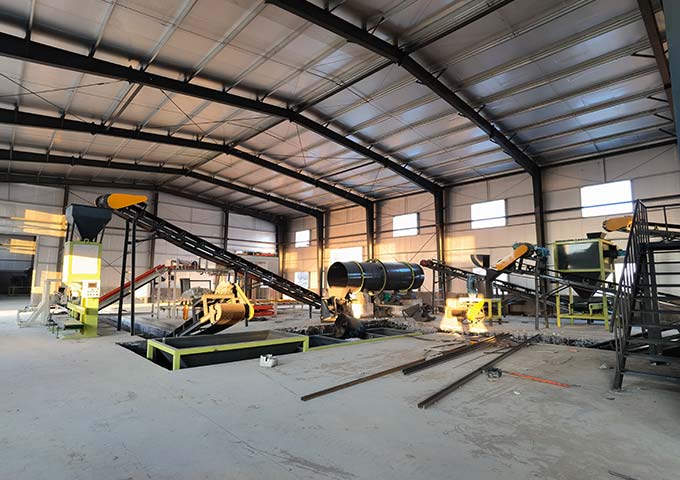
Fertilizer Plant Construction

At least 2,500 square meters, including the fermentation tank area, raw material manure storage area, fermented organic fertilizer processing and packaging area, finished organic fertilizer storage area, etc.

Organic-Fertilizer-Business-Plan

Fertilizer Production Machine

Organic-fertilizer-fermentation-tank

Organic Fertilizer Fermentation Tank

According to the daily output of about 10 tons of organic fertilizer products (water content less than 30%), about 30-40 tons of fresh animal manure (water content 60%-90%) needs to be processed every day. Two fermentation tanks with a width of 3 meters, a length of 100 meters, and a depth of 1.5 meters (capable of fermenting about 400 tons of raw materials) need to be built in the factory shed (for alternating fermentation).

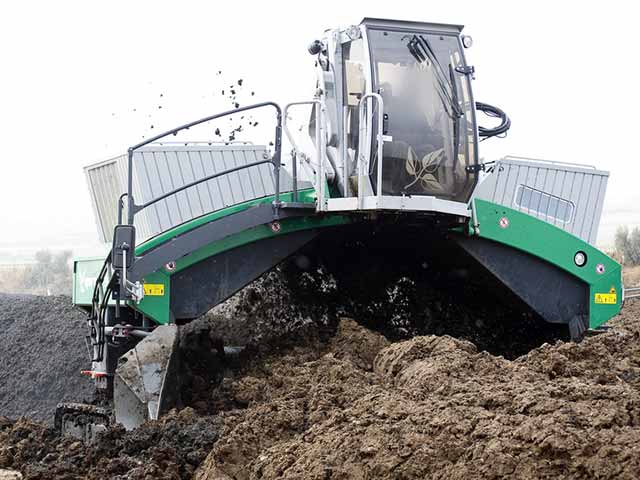
Organic Fertilizer Compost Machine

  • Fixed Track Composter: Costs approximately $2,000-$5,000, with an additional installation fee of about 30,000 RMB. One compost turner (including exchange equipment) serves two fermentation tanks.

  • Crawler Composter: Costs between $10,000-$20,000 per unit. It eliminates the need for fermentation tanks, allowing compost to be piled directly on the ground for fermentation.

Organic Fertilizer Crusher

The fermented organic fertilizer is crushed to more than 40 mesh. The finer the crushing, the more beautiful the granulation will be in the later stage. The price is between 1000-4000 USD, depending on the different output.

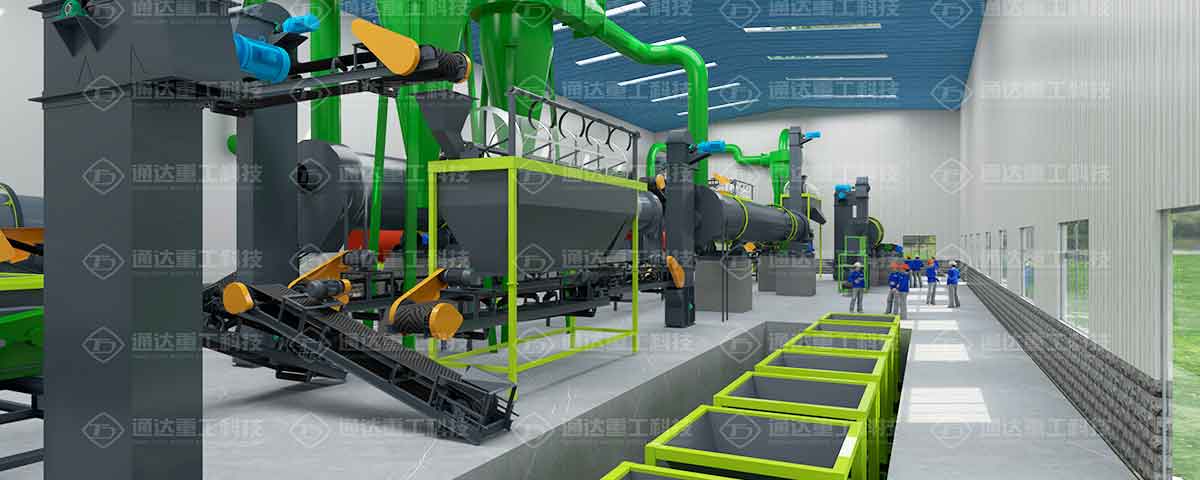
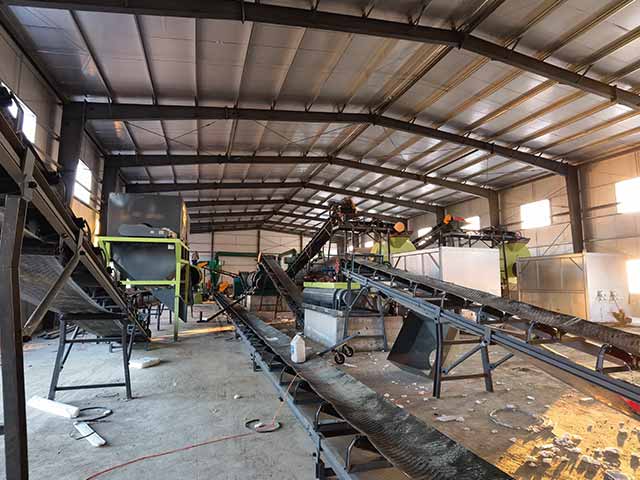
Fertilizer Conveyor

We can configure belt conveyors, bucket elevators or screw conveyors according to the actual needs of customers. According to the conveying length, generally one production line needs two conveyor belts of about 10 meters, and the price of each is between 2000-4000 US dollars.

Fertilizer-Conveyor

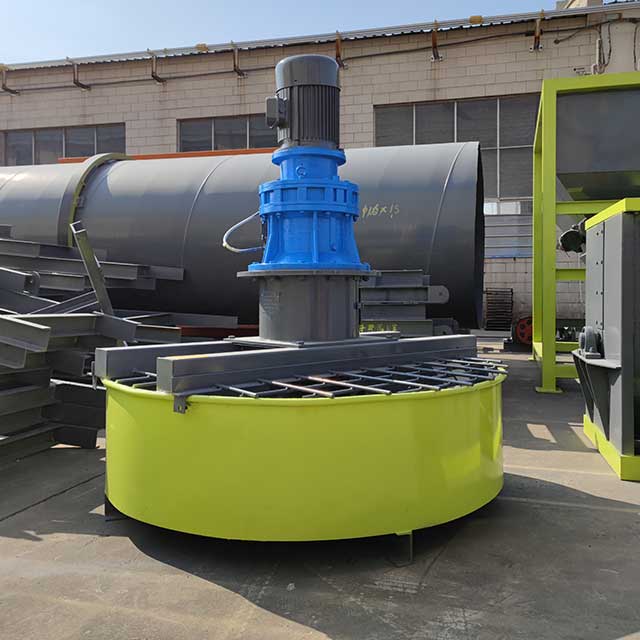
Fertilizer Formula Mixer

The equipment costs between $3,000 and $6,000 and is used to mix and stir the prepared formula elements thoroughly.

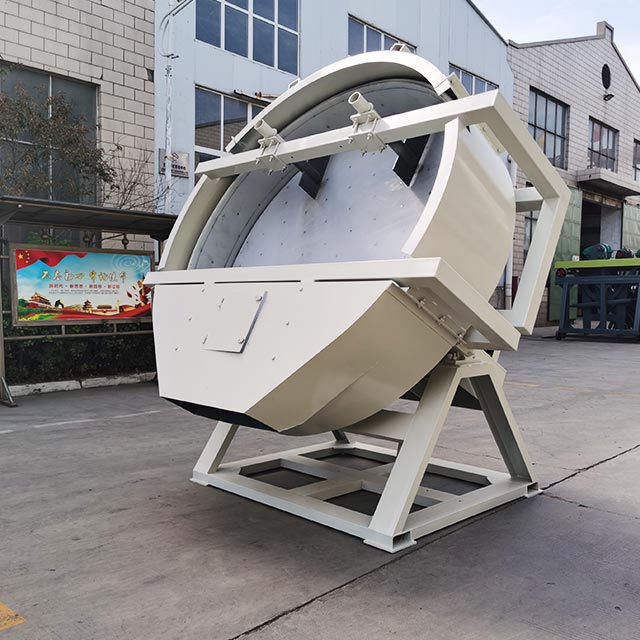
Organic Fertilizer Granulator

The prepared fertilizer elements are agglomerated into granules by mechanical action of centrifugal granulation.

Fertilizer Granule Coating Machine

The equipment costs about $3,000 and coats the surface of the finished particles with a layer of anti-caking agent to prevent the fertilizer particles from sticking together.

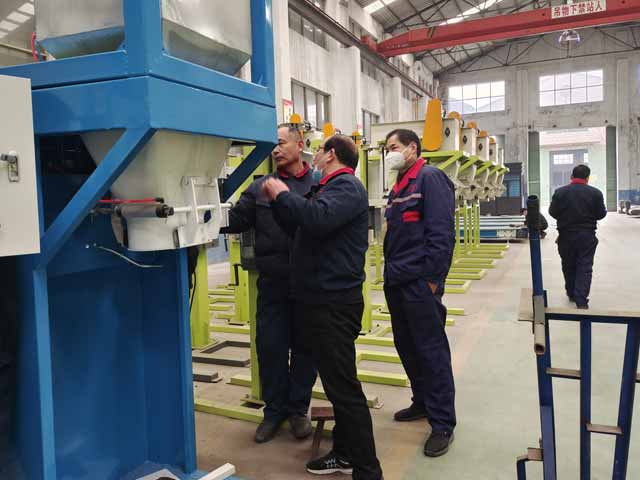
Fertilizer Packaging Machine

It is mainly composed of material inlet, feeding mechanism (gate), weighing bucket, bag clamping mechanism, frame, air suction port, pneumatic system, sensor, control box, conveying and bag sewing mechanism, etc.

For a successful Organic Fertilizer Business Plan, having the right equipment is crucial—explore our fertilizer production machines to get started.

Chapter 4

Organic Fertilizer Business Plan Cost

When choosing organic and compound fertilizer equipment, understanding the price ranges for different production capacities is essential:

  • 80,000 to 93,000 USD for 10,000 tons per year
  • 120,000 to 134,000 USD for 30,000 tons
  • 134,000 to 174,000 USD for 50,000 tons
  • 174,000 to 201,000 USD for 80,000 tons
  • 241,000 to 281,000 USD for 100,000 tons

Small-scale plants, often using simple crushers and self-produced manure, require minimal investment, typically a few thousand dollars. For a small plant with an annual capacity of 10,000 tons, the investment is about 22,000 to 25,000 USD. Costs include building a rainproof shed, labor, raw materials, biological strains, and other expenses.

Production line prices can vary based on equipment configuration. Powdered lines are cheaper than granular ones but generally yield lower market prices and profits.

For a more accurate price tailored to your needs, visit our fertilizer plant cost page.

Organic-Fertilizer-Business-Plan-Cost

Chapter 5

Organic Fertilizer Business Plan Production Operation

Raw Material Procurement and Preprocessing

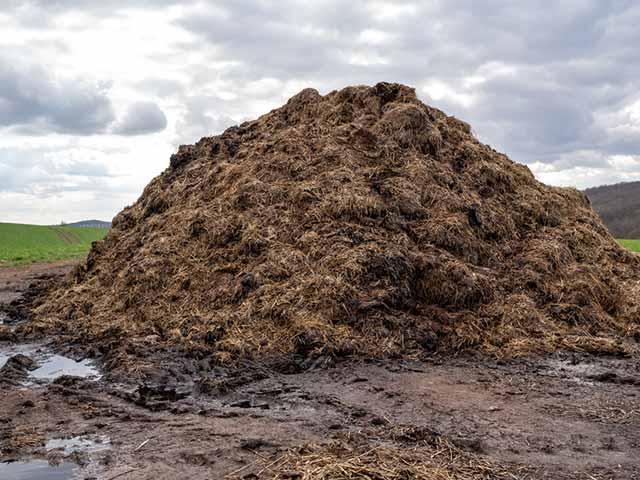
  • Procure organic waste such as livestock manure and crop straw.
  • Conduct preprocessing like solid-liquid separation and mixing to reduce fermentation difficulty and improve product quality.


Organic-fertilizer-raw-materials

Fermentation and Maturation

  • Use fermentation equipment, controlling temperature, humidity, and oxygen to promote microbial growth and organic matter decomposition.
  • After fermentation, the raw materials are converted into organic fertilizer.

Fermentation-and-Maturation

Deep Processing and Packaging

  • Further process the organic fertilizer by crushing, screening, and granulating to enhance its added value.
  • Package and label the finished product for easy sale and transportation.


Deep-Processing-and-Packaging

Staffing

  • Recruit and train professionals like project managers, engineers, technicians, and sales representatives.
  • Implement training programs and management systems to improve staff skills and management efficiency.

Fertilizer factory worker

Chapter 6

Marketing and Brand Building

Market Positioning and Promotion

Define market positioning and use various channels to enhance brand visibility.

Sales-Channel-Expansion

Sales Channel Expansion

Expand sales channels through direct sales, agents, and industry events.

After-Sales Service and Support

Provide strong after-sales service and use feedback to improve satisfaction.

Explore Other Solutions for Organic Fertilizer Business

fertilizer-machine-custom

Design

Organic Fertilizer Business Plan

Fertilizer Production MachineQuotation

Interested in setting up an organic fertilizer production plant?
We leverage our industry expertise and network
to identify ideal solutions that meet your requirements.

1
Project Design
2
Equipment Supply
3
Installation and debugging
4
Staff Training
5
Operational Guidance
6
After-sale Service

Fertilizer Machinery News

Reliable Equipment Performance

Ensuring consistent and efficient fertilizer production for maximum yield.

Timely Maintenance & Repairs

Minimizing downtime with prompt servicing to keep operations running smoothly.

Expert Technical Support

Access to assistance for troubleshooting and optimizing equipment performance.

Give us a call or
Simply Complete the Form